
Disciplines
Drilling Engineer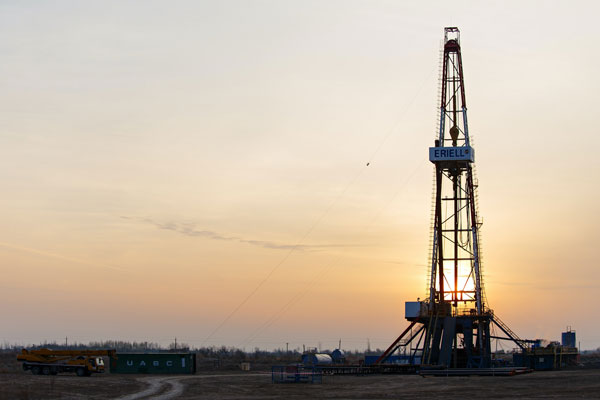
Introduction
Locating an oil or gas prospect is just the first step. Once promising geology indicates hydrocarbons may be trapped underground, drilling engineers take over to orchestrate the complex process of boring miles into the earth to tap the valuable resources.
Drilling engineers occupy a crucial role in oil and gas exploration. Their job is to design and execute the intricate well plans that safely and efficiently reach untapped reservoirs. This requires optimizing the use of massive drill rigs, drilling equipment, and advanced technologies to penetrate layers of rock.
Prior to drilling, engineers analyze data like seismic surveys to model subsurface conditions and potential hazards. This enables them to map out step-by-step drilling programs that traverse various formations to hit target depths. Equipment requirements are determined based on the challenges expected while drilling.
When drilling operations commence, drilling engineers provide around-the-clock technical guidance and supervision. They constantly monitor drilling parameters, adjust the plan when needed, and manage safety risks. Their leadership and expertise navigates the tremendous feat of drilling miles into the earth.
Without drilling engineers, the oil and gas that powers the modern world would remain inaccessible underground. Their skills make discovery and production possible. This article dives into their vital role.
Well Planning and Design
Before drill bits can start chewing through rock, extensive planning must occur to design a safe, efficient well. Drilling engineers undertake complex preparation ahead of operations.
Well planning tasks include:
- Analyzing seismic surveys, well logs, and geological data to model subsurface structure and conditions. This reveals potential hazards like overpressure zones.
- Mapping the optimal well path and casing points. Both vertical and horizontal trajectories are considered to best intersect the reservoir.
- Selecting the drill rig type and drilling equipment needed to handle expected formations, depths, pressures, and temperatures.
- Developing a comprehensive, step-by-step drilling program. This specifies processes, parameters, equipment settings, and contingencies.
- Programming simulation software to virtually drill the well and uncover risks. The plan is refined based on modeling.
- Estimating costs for equipment, services, crew, etc. and proposing a budget to management. Approvals are secured.
- Arranging logistics like rig contracting, materials, infrastructure, and staffing at the drill site.
Meticulous planning minimizes delays and helps optimize drilling progress and safety once operations commence. It’s a critical foundation for success.
Overseeing Drilling Operations
Once drilling begins, the challenges really start for drilling engineers. They oversee round-the-clock operations, managing equipment, processes, and personnel to achieve objectives.
Typical duties during drilling include:
- Providing 24/7 technical guidance to rig crew and contractors. Engineers make timely decisions and adjustments.
- Monitoring critical parameters like weight on bit, rotary speed, mud properties, and more. Controls are applied to optimize drilling efficiency and safety.
- Adjusting the drilling plan as conditions change. Engineers alter course to handle issues like equipment failures, unexpected geology, or ingress of hydrocarbons.
- Coordinating essential services like mud logging, casing, cementing, and wireline logging. These provide key subsurface data.
- Implementing precautions to prevent blowouts, manage well pressures, and mitigate environmental impact. Safety is paramount.
- Preparing daily drilling reports detailing operations, progress, issues and solutions. These keep management informed.
- Directing well logging upon completion to assess subsurface geology and reservoir quality.
The drilling engineer steers progress from their control room chair, mastering both technical details and big-picture progress to reach objectives. Their real-time decisions make drilling success possible.
Qualifications and Skills
Drilling engineering requires technical expertise and strong leadership abilities. Educational and certification requirements vary slightly between the US and UK.
In the United States:
- A bachelor’s degree in petroleum engineering is typical, or sometimes mechanical, chemical or geoscience engineering.
- Optional certification is available through the Society of Petroleum Engineers.
In the United Kingdom:
- A master’s degree accredited by the Engineering Council is usually required.
- Many drillers pursue Chartered Engineer (CEng) status through professional engineering institutions. This involves accredited degrees, experience, and exams.
Universal skills needed include:
- Strong grasp of math, science, mechanics and thermodynamics.
- Computer abilities for modelling, data analysis and reporting.
- Communication skills to lead crews, collaborate with experts, and update management.
- Meticulous attention to detail when designing drilling programs.
- Troubleshooting under pressure to quickly solve drilling challenges.
- Leadership to manage staff, contractors and service companies.
The best drilling engineers have analytical minds, passion for the work, and the expertise and temperament to master complex technical operations miles underground.
Importance of Drilling Engineers
Drilling engineers occupy a crucial niche within the oil and gas industry. Their specialized skills make discovery and production of reserves possible.
Key reasons drilling engineers are so vital include:
- Enabling access to untapped oil and gas reservoirs that would otherwise remain buried forever. Their wells unlock these valuable resources.
- Safely and efficiently drilling miles into the earth to tap reservoirs. This is an immense technical and logistical achievement.
- Optimizing complex equipment and processes like directional drilling to maximize success. Their expertise extracts resources.
- Discovering new fields that add reserves and grow oil and gas supplies. New wells drive exploration.
- Providing essential subsurface data through well logs, coring and testing. This also benefits geologists.
- Pushing the boundaries of drilling technology to increase achievement. Engineers drive innovation.
- Maintaining operational safety through blowout prevention, pressure control, and other measures. Lives depend on their vigilance.
Without drilling engineering bridging the gap between geological insight and productive wells, the oil and gas fuelling civilization would remain sequestered in rocks. These technical experts make energy supplies possible.
Conclusion
Drilling engineers possess specialized expertise that makes tapping buried oil and gas reservoirs miles underground possible. Their knowledge enables these complex wells to be drilled safely, efficiently, and economically.
Prior to operations, drilling engineers analyze data and design meticulous well plans using massive rigs and equipment. During drilling, they oversee round-the-clock work, providing guidance and quickly solving challenges inherent to boring through layers of rock.
Drilling engineering requires technical competence in geoscience, engineering, and drilling methods. Strong leadership and communication skills are also vital for directing rig crews through challenging situations. The role demands analytical thinking, attention to detail, and grace under pressure.
The world depends on drilling engineers to continually discover new resources and access supplies trapped in incredible depths. Without these professionals unlocking reservoirs, oil and gas would remain forever inaccessible. Drilling engineers make the modern pace of life possible through their unique skills and perseverance in tapping the earth’s bounty.